Well water
How to treat sulfur smell in well water
Quick answer
Run hot water and cold water separately at the same fixture. If only the hot water smells, the magnesium anode rod in the water heater is usually reacting with sulfate in the water, and replacing it with an aluminum or zinc rod often resolves it entirely for far less than a filter. If both hot and cold smell, the hydrogen sulfide is coming from the well itself.
A rotten egg smell in well water is hydrogen sulfide gas, and it is one of the few well water complaints where the cheapest possible diagnostic step, running hot and cold water separately at the same faucet, genuinely changes the answer. A smell confined to hot water is very often a five dollar part reacting inside the water heater rather than anything happening in the well at all, and treating it as a well problem means buying equipment that never needed to exist.
This page covers how to tell the two apart and what published treatment applies once you know which one you actually have. Sulfate-reducing bacteria is a related but separate cause worth ruling out as well, and it does not respond to the same fix as a straightforward hydrogen sulfide odor.
On this page
The first test costs nothing: hot versus cold
Run the cold tap at a sink for thirty seconds and smell it, then run the hot tap at the same fixture and smell that. If the cold water is odor free and the hot water carries the rotten egg smell, the mechanism is almost always the magnesium anode rod inside the water heater tank reacting with sulfate and certain bacteria present in the water, producing hydrogen sulfide gas inside the tank itself. This is a water heater maintenance issue, not a well water quality problem, and the fix is proportionally cheaper: swapping the magnesium anode rod for an aluminum or zinc rod removes the specific reaction that produces the gas, often resolving the smell entirely without any filtration equipment at all.
If both the hot and the cold water smell, the hydrogen sulfide is present in the water as it comes out of the well, and the anode rod swap will not fix it, because the gas is arriving with the water rather than being generated inside the heater.
When it is genuinely the well
Hydrogen sulfide present in both hot and cold water comes from the aquifer itself, typically from naturally occurring sulfate-reducing bacteria in the ground or from decaying organic matter, and the treatment options depend on the concentration measured.
Hot-water-only odor points to the anode rod; odor in both hot and cold points to the well, where air injection handles a wide concentration range and catalytic carbon suits low levels only.
Rule of thumb Water treatment trade convention rather than a published standard. Taught everywhere, useful for planning, and not a specification. No standards body publishes it.
| Where the smell shows up | Likely cause | Typical fix |
|---|---|---|
| Hot water only | Magnesium anode rod reacting inside the water heater | Replace with an aluminum or zinc anode rod |
| Hot and cold | Hydrogen sulfide present in the well water itself | Air injection oxidizing filter, sized on a laboratory test |
| Hot and cold, low level | Low concentration hydrogen sulfide or chloramine | Catalytic carbon |
| Persistent after treatment | Possible sulfate-reducing bacteria colony | Certified laboratory test and usually a well professional |
This is trade guidance rather than a published standard; the concentration a specific system can handle is stated on that system's own specification sheet.
Air injection and catalytic carbon are not interchangeable
Air injection oxidizing filters handle a considerably wider range of measured hydrogen sulfide than catalytic carbon does, because they oxidize the sulfide against an air pocket the control valve draws automatically, the same mechanism used for iron. Several air injection systems publish combined iron, manganese and hydrogen sulfide ratings, since wells carrying a sulfur odor frequently carry elevated iron as well. Catalytic carbon is aimed at low concentration hydrogen sulfide and chloramine rather than at a strong odor, and it is frequently sold as a general purpose fix when the measured concentration actually calls for air injection instead.
Sulfate-reducing bacteria is a different problem again
If a sulfur odor persists after an anode rod swap and after installing oxidation equipment sized correctly for the measured concentration, sulfate-reducing bacteria living inside the well, the pressure tank, or the plumbing itself is worth ruling out with a certified laboratory test and usually a licensed professional or the local health department, since bacteria in a well is not a do it yourself diagnosis or a do it yourself fix. This is a different situation from a straightforward chemical hydrogen sulfide odor and it does not respond to oxidation media alone.
What you need on hand
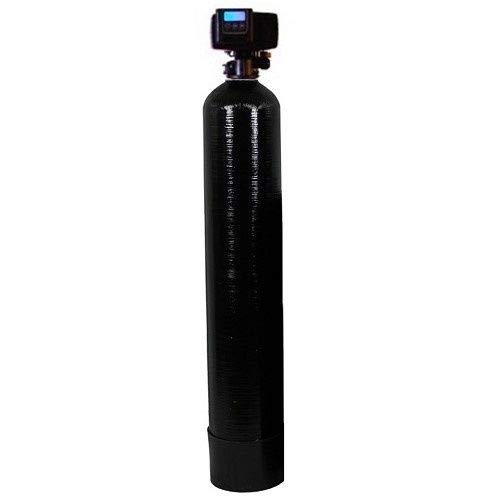
DuraWater Fleck 5600SXT Air Injection Iron Filter, 1.5 Cubic Foot
$899.00 Published specsAn air injection system rated for iron, manganese and a sulfur odor together, on the widely serviced Fleck 5600SXT valve.
Best for: Well water with measured iron, manganese or a sulfur odor together
Check price on Amazon
AFWFilters Air Injection Iron Filter, Black Series
$999.00A build stating iron, manganese and hydrogen sulfide together, for the classic combination of orange staining and a rotten egg smell.
Best for: A well with the classic combination of orange staining and a rotten egg smell
Check price on Amazon
The Sulfur Eliminator Deluxe Well Water Filter System
$598.00Aimed specifically at the odor rather than at iron, for a sulfur smell with little or no measured iron alongside it.
Best for: A sulfur odor with little or no measured iron
Check price on Amazon
Tap Score Advanced Home Water Test Kit, Well or City
$269.00A certified laboratory panel that reports the numbers a sulfur treatment system actually needs to be sized against.
Best for: The first thing anybody on a private well should buy, before any equipment at all
Check price on AmazonHow we chose
We did not test this equipment in person and we never claim to. Picks are researched from manufacturer specification sheets, published standards and regulatory limits, and the recurring themes in verified owner reviews. Every pick is matched to a real grain capacity, a real micron rating, a real certified claim or a real flow rating rather than to a price bracket, and it is placed in the tier where its published capability actually belongs. We rejected the unbranded flood that dominates several of these search results, because a softener is a pressure vessel on the main line and a filter is the only thing between a contaminant and a glass of water, and neither is a place for a product with no parts channel and no service path. Where a figure is trade convention rather than a published standard we label it that way, and where a manufacturer does not publish a figure we leave it out instead of estimating it. Above all, we do not recommend equipment for a problem nobody has measured.
Frequently asked questions
Why does my hot water smell like rotten eggs but not my cold water?
This points to the magnesium anode rod inside the water heater, which reacts with sulfate and certain bacteria present in the water to produce hydrogen sulfide gas inside the tank. Replacing the magnesium rod with an aluminum or zinc rod removes that specific reaction and often resolves the smell entirely, for far less than any filtration system would cost.
Both my hot and cold water smell like sulfur. What do I do?
Odor present in both means the hydrogen sulfide is coming from the well itself rather than from the water heater, so an anode rod swap will not fix it. Get a certified laboratory test to measure the concentration, then size an air injection oxidizing filter, or catalytic carbon for a genuinely low level, against that measured number.
Does a water softener remove sulfur smell?
No. A softener exchanges hardness minerals and, within a published limit, some dissolved iron, but it is not built to oxidize hydrogen sulfide gas. Treating a sulfur odor needs an oxidizing approach, either air injection or catalytic carbon depending on the measured concentration, installed ahead of or separate from any softener.
Is hydrogen sulfide in well water dangerous?
At the low concentrations that produce a noticeable rotten egg odor, hydrogen sulfide is primarily a nuisance and corrosion issue for plumbing and appliances rather than an acute health hazard, and it is not on the EPA's primary drinking water contaminant list. That said, any persistent well water odor is worth a certified laboratory test to confirm what is actually present and rule out other issues alongside it.
Can catalytic carbon handle a strong sulfur smell?
Catalytic carbon is aimed at low concentration hydrogen sulfide and chloramine rather than a strong odor, and it is frequently marketed as a general fix when the measured concentration actually calls for air injection instead. Get a laboratory number before choosing between the two, since the wrong media at the right concentration simply does not keep up.
Could the smell be bacteria rather than a chemical odor?
Yes, and it is worth ruling out if the odor persists after an anode rod swap and correctly sized oxidation equipment. Sulfate-reducing bacteria living in the well or plumbing is not a do it yourself diagnosis; it needs a certified laboratory test and usually a licensed professional or the local health department to confirm and address properly.
Get the complete water treatment shopping list
Every item in the starter, complete and premium systems for both city water and well water, with running totals, in one printable list. It opens with the test kit, because that is genuinely the first purchase. No charge.
One list, no sequence of daily emails, and you can leave at any time.
Researched, not professional advice. This page is compiled from published standards, regulatory limits, manufacturer specifications and owner-review consensus, not hands-on testing. Nothing here diagnoses a water problem or says any product makes water safe to drink. Figures described as a rule of thumb are water treatment trade convention rather than published standards, and they are labeled that way wherever they appear. Test your water before you buy equipment: on city water start with the Consumer Confidence Report your utility publishes each year, and on a private well only a certified laboratory test tells you what you have. Bacteria, nitrate, lead, arsenic and PFAS are not do it yourself topics, they are invisible and tasteless, and they need a laboratory and usually a licensed professional rather than a product. Remember that a certification covers a specific claim under a specific standard, so "NSF certified" with no number attached tells you very little.